
What Is a Title Register?
Written by Editorial Team · Reviewed by Property Plan Specialist · Last reviewed
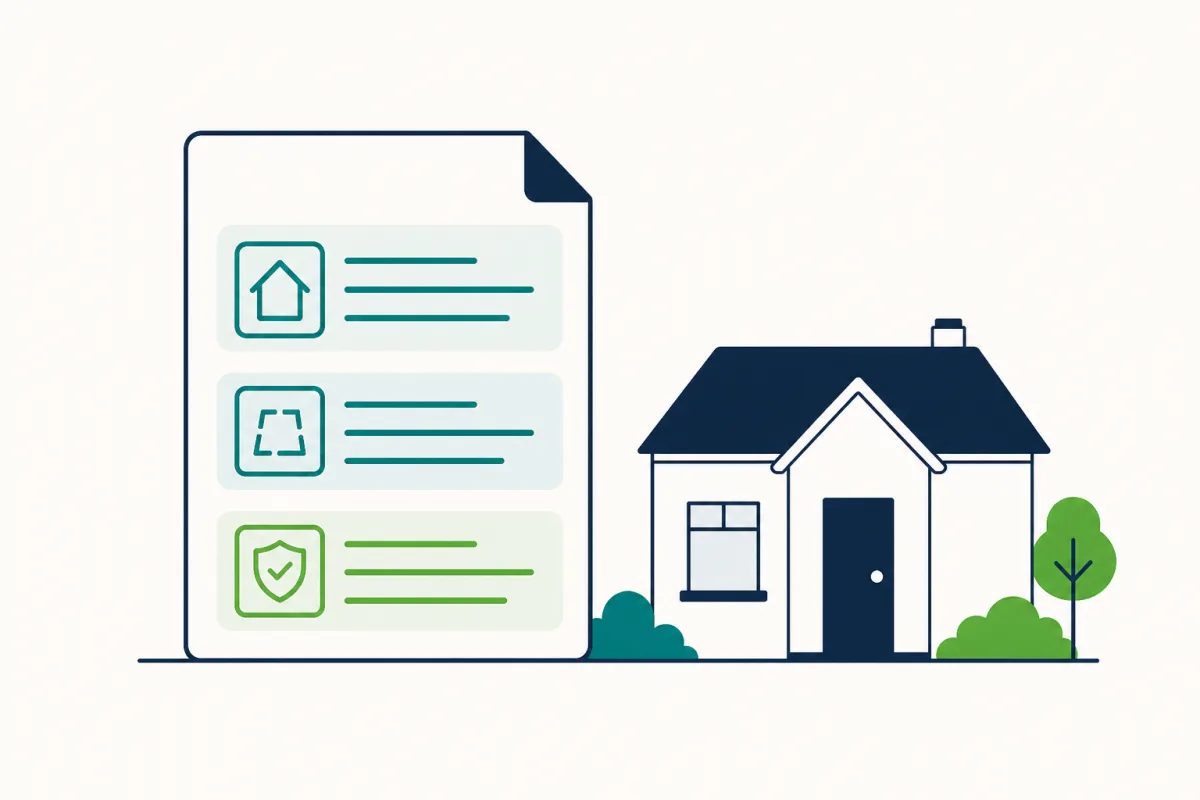
The title register is the ownership record that HM Land Registry keeps for each registered property or piece of land in England and Wales. It normally shows the registered owner, a description of the property, the tenure, and any recorded rights, restrictions, covenants and charges, together with a unique title number.
The title register in plain English
When property or land in England and Wales is registered, HM Land Registry creates a record for it called the title register. Think of it as the property's official file: it says who owns the land, what kind of ownership they have, and what rights and obligations come with it.
Each registered title has a unique title number — a short reference such as AB123456 — and its own register and title plan. A single street address can be covered by one title, or by several: a block of flats, for example, usually has a freehold title for the building and a separate leasehold title for each flat.
The three parts of the register
The register is arranged in three sections, each with its own job.
| Section | What it records | | --- | --- | | Property register | A description of the land, a reference to the title plan, and rights that benefit the property (for example, a right of way over a neighbour's driveway) | | Proprietorship register | The registered owner's name and address, the class of title, and sometimes the price paid | | Charges register | Matters that burden the property, such as mortgages, restrictive covenants and notices, where they are recorded |
The entries you see depend entirely on the individual title. A modern flat might have a long charges register full of estate covenants; a field might have almost nothing beyond a description and an owner.
What the register does not show
The register is a powerful document, but it has limits:
- It does not show the precise legal boundary of the land — the register refers to the title plan, which normally shows general boundaries only.
- It does not show sale history beyond what was recorded, and it never shows mortgage balances.
- It does not include the full text of every document it mentions. Deeds, transfers and leases referred to in the register are filed documents, which can sometimes be ordered separately.
- It cannot exist for unregistered land. A minority of land in England and Wales — often land that has not changed hands for decades — has never been registered.
When you might need a copy
People order the title register to:
- Check who owns a property or piece of land.
- Confirm whether a property is freehold or leasehold.
- Read covenants or restrictions before buying, extending or developing.
- Check whether a registered mortgage exists.
- Find the title number before instructing a solicitor or surveyor.
- Replace lost paper deeds with the current registered record.
How to get a copy
You can order a copy of the title register through our service: tell us the address, we check the details by hand, identify the registered title — contacting you first if more than one title could match — and deliver the PDF through a secure link. You can also buy directly from HM Land Registry, which usually costs less; our fee covers the human address checking, retrieval, secure delivery and support.
If you want the full picture of a registered title, order the register together with the title plan, because the two documents are designed to be read side by side.
What Is a Title Register? — FAQs
Does the title register prove who owns a property?
For registered land, the register is the authoritative record of legal ownership. Bear in mind there can be a short delay after a sale while HM Land Registry completes the registration, so a very recent purchase may not appear immediately.
Does the title register show how much a property sold for?
Sometimes. The proprietorship register may record the price paid, but only where it was recorded at the time of registration. Older or transferred titles often do not show a price.
Is the title register the same as the title deeds?
Not exactly. For registered property, the register has replaced the old bundle of paper deeds as the definitive record. Some older deeds may still be referred to in the register as filed documents, and copies may be available separately.
Does the register show the property's boundaries?
No. The register describes the property in words and refers to the title plan, which shows the general extent of the land. Title plans normally show general boundaries rather than the precise legal boundary line.
Can I get the register for any property?
You can obtain the register for any registered property or land in England and Wales — you do not need to be the owner. Unregistered land has no register to obtain.
Sources
- HM Land Registry: get information about property and land (GOV.UK)
- HM Land Registry practice guides (GOV.UK)
This guide is general information, not legal advice. Spotted an error? Email support@landregistry-docs.co.uk.